How can bundling a Yixing Zisha Teapot with teas increase average order value?
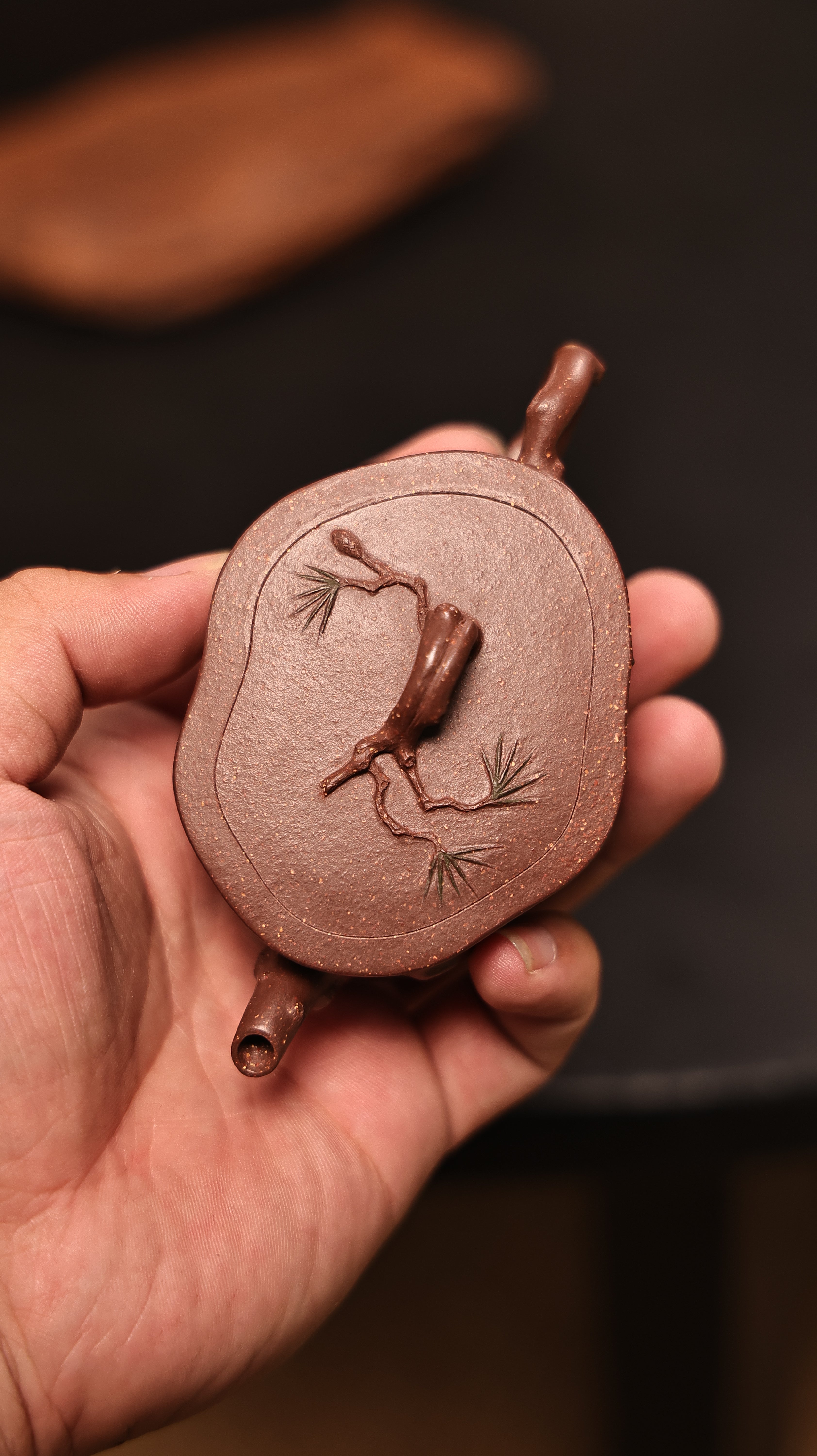
In the realm of timeless legacies,
Across centuries, admirers have been mesmerized by the exceptional charm of Yixing Zisha urns. Originating from the zone of Yixing in China, these artifacts are renowned for their distinguished beauty, exclusive clay, and built-in ability to refine the flavor of the brew. The earth's distinctive maroon hue, combined with the expert manufacture of provincial fabricators, creates artworks that are at once functional productions and costly valuables. Gaining a Zisha teapot is more than just certain purchase; it's welcoming a rich legacy heritage.
Unraveling Yixing Teapots: Chronicles, Kinds, and Significance
The renowned Yixing teapots stand as a profound past deeply intertwined with Chinese culture. Stemming in the Yixing region of Jiangsu province, these clay vessels possess a heritage stretching back to the Ming Dynasty. Early examples were functional, but over centuries, Yixing teapot building evolved into an esteemed art form. The clay itself, known for its unique vitality and ability to raise the flavor of the tea, endures a defining factor. Yixing teapots arrive in various designs, broadly categorized by shape: Classic such as Zhuni (purple clay) and Bisheng, Zisha Teapot as well as custom designs. The significance of a Yixing teapot rests on several factors, including the potter’s renown, the age of the piece, the rarity of the clay, and its aesthetic quality.- History: Prime eras
- Soil: Multiple varieties
- Cost Determinants: Uniqueness
Mastering Zisha: Procedures and Makers
That production of a original Zisha teapot is a complicated process, requiring generations of mastery. Seasoned artisans meticulously source the excellent Zisha clay, a exclusive earth found only in specific regions of China. Time-honored techniques, often bequeathed through families, involve accurate shaping, nuanced carving, and unhurried firing in ancient fireplaces. The final teapot isn't merely a jar; it's a testament to aesthetic vision and the weighty connection between the maker and their lineage. Each product showcases the individual touch of the creator, resulting in a truly one-of-a-kind work of design.
The Clayware: Examining the Profound Customs of the Yixing Territory
The Yixing City, established in Jiangsu the territory, is broadly renowned for its exceptional vessels – a tangible representation of centuries of Chinese artisanry. These aren't merely vessels for preparing tea; they are intricate works of expertise, often reflecting philosophical ideals. This unique purple clay, known as Zisha, possesses singular qualities: this material dense, ventilated, and imparts a subtle flavor to the tea.
- Countless bloodlines have honed the techniques of Yixing pot making, passing down hereditary methods through successions.
- Aficionados prize these pieces for their attractiveness and rarity.
- Some jar tells a narrative, connecting the recipient to a rich past.
Committing to Yixing Zisha: Vital Indicators
While evaluating collecting Yixing Zisha earthenware, several aspects call for careful inspection. In the first place, the earth's tone is vital; authentic Zisha habitually exhibits a definite brick shading. In addition, scrutinize the skill; sharp traits and a flawless veneer indicate skillful artistry. Lastly, determine the creator’s standing; well-known names earn enhanced fees and often grant a promising profit.
Brewing Excellence with Zisha Teapots
Steeping savory tea with a Zisha urn is more beyond a simple procedure; it's an mastery. Zisha clay, known for its unique geological composition, imparts a delicate character to the finished tea that’s often lacking with other devices. The appropriate water intensity is imperative; typically, less intense than what's used for black tea, to keep the tea's aroma and flavor. Consider scrupulously the tea breed; delicate green teas or aged pu-erhs prosper from the Zisha’s ability to tone down their intrinsic edge. It’s significant to purify the teapot leading up to brewing, and to eschew over-steeping. Mastering this method leads to a genuinely exceptional tea phenomenon.
- Realizing Zisha Clay
- Water Warmth & Tea Selection
- Value of Warming Up
Caring for Your Esteemed Container
For the purpose of ensure the persistence of your valuable Yixing teapot, systematic preservation is vitally required. Avoid using soap; instead, tenderly flush it with warm aqueous substance. Prevent immediate fluctuations; don't position the clay pot directly onto a thermally active burner. Periodically, develop the kettle by brewing it with top-notch black concoction, as this assists to boost its flavor and conserves the inherent merits of the substance.
Dealing with Soil to Chalice: The Path of a Famous Pot
Such creation of a Zisha teapot is a remarkable procedure, a representation to both the world's bounty and the mastery of the maker. It launches with the careful extraction of the exclusive clay from the crimson Zisha mines close to Yixing. This pure material, known for its exceptional attributes, is then steadily cleaned and molded for the foundational forming. The pot's contour is professionally crafted using a union of heritage manipulating techniques, often incorporating ornate figurings. Following drying, the vessel undergoes a decisive first firing, subsequent by a glazing stage, which might involve various layers of genuine Zisha overlays. Finally, a second, and sometimes third, firing at maximum temperatures completes the work, revealing its perfected beauty and superlative characteristics - a honest masterpiece, ready to enhance a tea gathering.
{Yixing Teapots: A Sign of the Way of Life and Honoring
Yixing teapots, originating from the famed Yixing region of Jiangsu province, are far more than mere pots for brewing infusions; they represent a important aspect of Chinese customs. Made from distinctive purple clay – zisha – these extraordinary teapots are highly esteemed for their ability to refine the flavor of the tea and, crucially, for their splendor. The annals of Yixing teapot making spans centuries, and the skill involved is passed down through generations, making each teapot a artistic creation that embodies classical techniques and a profound appreciation for the refined pleasures in life.